Back to Solutions

    Human Connection & Performance

    High Performing Teams

    Better communication. Stronger relationships. Exceptional team performance.

    Great teams don't happen by accident. They are built through trust, shared purpose, effective communication and a deeper understanding of human behaviour.

    At The Communication Quarter, we help leaders and teams understand what makes people work brilliantly together, what gets in the way, and how to create the conditions for sustained high performance.

    Our High Performing Teams programme combines behavioural science, occupational psychology and experiential learning to strengthen relationships, improve collaboration, navigate conflict and turn individual talent into collective success.

    Let's Talk About Your Team
    A murmuration of starlings sweeping across a pale sky, a few birds picked out in pink

    Great individuals don't automatically make great teams.

    Even highly capable, experienced and motivated people can struggle to perform collectively. Communication styles clash, expectations become unclear, trust is tested and unspoken tensions begin to influence behaviour.

    The difference between a group of talented individuals and a genuinely high performing team often lies in how people think, communicate, collaborate and respond to one another.

    At The Communication Quarter, we help teams explore the behaviours that shape performance: from trust, psychological safety and accountability to conflict, decision-making and communication under pressure.

    Communication isn't the problem. Human behaviour is.

    The Science of Team Performance

    What makes a high performing team?

    High performing teams are not simply groups of talented individuals. They are teams in which people share a clear purpose, trust one another, communicate openly and take collective responsibility for results.

    Research into team effectiveness highlights several interconnected factors that influence how successfully people work together.

    We explore six of these essential characteristics in our programmes.

    1. Psychological Safety

      The confidence to speak up, ask questions, challenge assumptions and acknowledge mistakes without fear of embarrassment or humiliation.

      Psychological safety doesn't mean avoiding difficult conversations. It means creating the conditions in which those conversations can happen constructively.

    2. Trust & Mutual Respect

      Confidence in one another's intentions, capabilities and commitments.

      Trust enables people to collaborate more openly, share information and rely on one another, especially when working under pressure.

    3. Shared Purpose & Clarity

      A common understanding of what the team is trying to achieve, why it matters and how each person contributes.

      Clarity reduces ambiguity, supports decision-making and helps individuals align their efforts with collective priorities.

    4. Constructive Conflict

      The ability to explore different perspectives, challenge ideas and disagree without damaging working relationships.

      High performing teams do not eliminate disagreement. They develop more effective ways of managing it.

    5. Behavioural Awareness & Adaptability

      An understanding of how individual preferences, communication styles and behavioural tendencies influence others.

      This awareness helps people adapt their approach, appreciate different perspectives and respond more effectively to changing circumstances.

    6. Shared Accountability & Learning

      A collective commitment to delivering results, reflecting on performance and addressing difficulties before they become entrenched.

      Effective teams learn from experience, give and receive feedback, and continually refine how they work together.

    High performance isn't simply about what individuals can do. It's about what they enable one another to achieve.

    The TCQ Approach

    Understanding behaviour. Transforming team performance.

    Knowing what makes a great team is one thing. Understanding how to develop those qualities is another.

    At The Communication Quarter, we combine behavioural science, occupational psychology and practical communication expertise to help teams recognise the patterns influencing their performance and develop more effective ways of working together.

    Our programmes are tailored to the needs of each organisation, drawing on six interconnected areas of development.

    1. Team Dynamics & Behavioural Awareness

      Understand the people behind the performance.

      Every team brings together different personalities, preferences, motivations and experiences.

      We help individuals recognise their own behavioural tendencies, understand their impact on others and appreciate the differences that influence working relationships.

      Where appropriate, psychometric assessments such as Hogan, DISC and Insights Discovery can provide additional insight into individual and collective behaviour.

    2. Psychological Safety, Trust & Human Connection

      Create the conditions for people to contribute at their best.

      We explore the behaviours that build trust, encourage openness and enable people to speak up, share ideas and challenge assumptions.

      Teams learn how to balance psychological safety with accountability, ensuring that supportive working relationships do not come at the expense of honest conversations or high standards.

    3. Communication, Influence & Constructive Conflict

      Disagree well. Decide better.

      Differences in communication style, assumptions and emotional responses can create unnecessary tension, even between highly capable colleagues.

      We help teams develop more effective listening, clearer communication, greater behavioural flexibility and the confidence to navigate difficult conversations constructively.

      The objective is not to eliminate disagreement, but to make it more productive.

    4. Shared Purpose, Values & Accountability

      Turn individual priorities into collective progress.

      High performing teams need clarity about where they are going, why it matters and how they will work together.

      We explore shared purpose, values, expectations, decision-making and accountability.

      The emphasis is on developing collective commitment while respecting the diversity of perspectives and capabilities within the team.

    5. Leadership Behaviours & Collective Performance

      Understand how leadership shapes the team experience.

      Leadership behaviours influence trust, motivation, psychological safety and the willingness of others to contribute.

      We help leaders recognise how their actions affect team dynamics, particularly when navigating uncertainty, giving feedback, delegating responsibility and responding under pressure.

      This area can also connect with our wider Managers to Leaders and Leadership Skills & Behaviours programmes.

    6. Adaptability, Resilience & Performance Under Pressure

      Discover what happens when the pressure is on.

      Pressure often exposes behaviours that remain hidden when everything is running smoothly.

      Through practical team challenges, observation and structured reflection, we help participants recognise how they respond to uncertainty, competing priorities and changing circumstances.

      Teams develop greater adaptability and more effective approaches to course-correction when things do not go to plan.

    Our objective isn't simply to help people understand one another better. It's to help them work, communicate and perform better together.

    The Learning Experience

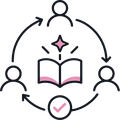
    Experience. Reflect. Understand. Apply.

    We believe the most powerful learning happens when people experience their own behaviours, rather than simply being told what they should do differently.

    Our workshops are engaging, challenging and highly interactive. We combine experiential exercises, facilitated conversations, behavioural science and structured reflection to reveal how teams really work together.

    Whether navigating a complex team challenge, making decisions under pressure or exploring different communication styles, participants have an opportunity to observe the behaviours that help or hinder collective performance.

    We then translate those insights into practical strategies that can make a meaningful difference back in the workplace.

    1. Experience

      Make behaviour visible.

      Through carefully designed team activities, simulations and real-world scenarios, participants experience the dynamics of collaboration, decision-making, communication and leadership.

      These experiences can reveal behaviours and assumptions that are not always apparent in everyday working life.

    2. Reflect

      Understand what really happened.

      We facilitate open, constructive conversations about what participants noticed, how decisions were made, whose voices were heard and how individuals responded to challenge.

      The emphasis is on curiosity rather than judgement, creating opportunities for meaningful insight and shared understanding.

    3. Understand

      Connect experience with behavioural science.

      We introduce relevant research, psychological insights and practical frameworks to help explain why certain behaviours emerge and how they influence team effectiveness.

      Where appropriate, psychometric assessments can deepen individual and collective awareness.

    4. Apply

      Turn insight into action.

      Understanding behaviour only creates value when something changes.

      We help teams identify practical adjustments to their communication, working relationships, leadership behaviours and decision-making.

      Participants leave with specific commitments and approaches they can apply, review and develop beyond the workshop.

    The real measure of a successful workshop isn't what happens in the room. It's what people choose to do differently afterwards.

    The Outcomes

    Better behaviours. Stronger teams. Meaningful results.

    Developing a high performing team isn't simply about helping people get along. It's about improving how they collaborate, make decisions, respond to challenges and deliver results together.

    Our programmes are designed to create practical improvements in the behaviours that influence everyday team effectiveness.

    The precise outcomes will depend on your team's challenges and priorities, but our work typically focuses on six areas.

    1. Greater Trust & Psychological Safety

      Develop stronger working relationships where people feel confident contributing ideas, raising concerns, asking questions and challenging assumptions constructively.

    2. Clearer, More Effective Communication

      Reduce misunderstandings, improve listening and help individuals adapt their communication to different colleagues, situations and pressures.

    3. More Productive Conflict & Decision-Making

      Equip teams to navigate disagreement, explore different perspectives and address difficult conversations without unnecessarily damaging relationships.

    4. Stronger Alignment & Accountability

      Establish clearer shared priorities, expectations and responsibilities so that individual efforts contribute more effectively to collective goals.

    5. Greater Behavioural Awareness & Adaptability

      Help individuals understand the impact of their own behaviours, appreciate different working styles and respond more flexibly to colleagues and changing circumstances.

    6. More Confident, Connected Leadership

      Strengthen the behaviours that enable leaders to build trust, encourage contribution, provide constructive feedback and create an environment where others can perform at their best.

    Turning Learning Into Lasting Change

    Beyond the workshop

    A successful workshop should be the beginning of better working practices, not the end of the conversation.

    We encourage teams to identify specific behavioural commitments that can be put into practice, revisited and refined.

    Depending on the programme, we can incorporate follow-up conversations, team reflections, leadership coaching and appropriate measures of progress.

    We work with clients to establish what meaningful improvement would look like for their team, recognising that sustainable behavioural change requires practice, reinforcement and ongoing attention.

    The goal isn't simply a better workshop experience. It's a better experience of working together.

    Who We Work With

    Every team is different. So are the challenges they face.

    Whether you're building a new leadership team, navigating organisational change or looking to strengthen an established team, the quality of your working relationships has a direct influence on how effectively you perform together.

    Our programmes are tailored to the people, priorities and challenges of your organisation.

    • Senior Leadership & Executive Teams

      Strengthen strategic alignment, collective accountability, trust and the confidence to challenge one another constructively.

    • Managers & Departmental Leaders

      Develop more effective leadership behaviours, improve communication and create conditions in which individuals and teams can perform at their best.

    • Established Teams

      Explore existing working relationships, address unhelpful behavioural patterns and improve collaboration, communication and decision-making.

    • Newly Formed or Restructured Teams

      Establish shared expectations, build trust, clarify responsibilities and develop effective ways of working together from the outset.

    • Cross-Functional & Project Teams

      Improve collaboration across different disciplines, priorities and working styles, particularly where success depends on collective effort.

    • From focused leadership teams to wider organisational development, we adapt the experience to your team's needs.

    Why The Communication Quarter?

    A different perspective on human behaviour and team performance.

    At The Communication Quarter, we believe that developing high performing teams requires more than improving communication techniques or bringing people together for a team-building day.

    It requires a deeper understanding of the people behind those interactions.

    Our approach brings together occupational psychology, behavioural science, communication expertise and experience of performance under pressure.

    It's this combination that makes our perspective different.

    Two Complementary Areas of Expertise

    Portrait of Jason Piper

    Jason Piper

    Occupational Psychology & Behavioural Science

    Jason is a Consultant Occupational and Business Psychologist, Associate Professor and British Psychological Society-certified Psychometrician.

    His expertise brings an evidence-informed understanding of human behaviour, individual differences, psychometrics, leadership and organisational performance.

    He helps teams explore the psychological and behavioural factors influencing how people work, interact and perform together.

    Portrait of Christian Billett

    Christian Billett

    Communication, Performance & Human Connection

    Christian brings over 20 years' experience in communication coaching, presentation development and helping individuals perform confidently under pressure.

    His approach is informed by an extensive international performance career, including leading roles in West End theatre and appearances with major orchestras.

    He brings a practical understanding of communication, presence, human connection and the behaviours that influence individual and collective performance.

    The Value of Combining Both

    Psychological insight helps us understand why people behave as they do.

    Communication and performance expertise helps us explore how those behaviours are experienced by others, and what people can do differently.

    Together, we translate evidence and experience into practical development that is challenging, engaging and directly relevant to organisational life.

    We've worked across financial services, pharmaceuticals, automotive, housing, education and the creative industries.

    Our work combines rigorous thinking with warmth, humour, constructive challenge and meaningful opportunities for reflection.

    High performance isn't simply about having the right people. It's about creating the right conditions for those people to succeed together.

    Tailored to Your Organisation

    Built around your team. Not a standard training package.

    No two teams face exactly the same challenges.

    Some need stronger strategic alignment. Others need to rebuild trust, improve communication, address difficult behaviours or strengthen leadership capability.

    We begin by understanding your organisation, your people and what you want to achieve.

    From there, we design a development experience that is relevant, practical and appropriately challenging.

    Our options can include:

    • Interactive team development workshops.
    • Focused leadership team sessions.
    • Extended team development programmes.
    • Individual and team psychometric assessments.
    • Leadership coaching and facilitated follow-up sessions.
    • Face-to-face, online and hybrid delivery.

    Our interactive sessions typically work particularly well with groups of approximately 8–15 participants, although we can design approaches for different group sizes and organisational requirements.

    The starting point is always a conversation about your team, your challenges and what meaningful improvement would look like.

    Grounded in Evidence

    Informed by research. Brought to life through experience.

    Our approach is informed by established and developing research into team effectiveness, psychological safety, workplace conflict, leadership and organisational behaviour.

    We draw on these insights to help clients better understand the human factors that influence performance, translating research into practical conversations, experiences and behavioural strategies.

    Questions

    Frequently asked questions

    What is a high performing team?

    A high performing team is a group of people who share a clear purpose, trust one another, communicate effectively and take collective responsibility for achieving common goals. Effective teams also adapt to changing circumstances, manage disagreement constructively and reflect on how they work together.

    How do you develop high performing teams?

    Developing high performing teams involves strengthening trust, clarifying shared expectations, improving communication, increasing behavioural awareness and creating opportunities for constructive challenge and learning. Our programmes combine behavioural science with practical exercises, facilitated reflection and strategies that can be applied in the workplace.

    Is this suitable for newly formed and established teams?

    Yes. Newly formed teams can establish effective working relationships, shared expectations and behavioural foundations. Established teams can explore existing dynamics, address communication challenges and strengthen collaboration.

    Can you help teams experiencing conflict or poor communication?

    Yes. We explore the behavioural patterns, assumptions and communication difficulties that may be contributing to tension. Our approach focuses on understanding these dynamics and developing more constructive ways of working. Formal mediation or specialist intervention may be more appropriate in some circumstances.

    Do you use psychometric assessments?

    Yes, where appropriate. We can incorporate Hogan, DISC or Insights Discovery to support conversations about individual differences, communication preferences, personality and behaviour. The selection of an assessment depends on the programme objectives and its suitability. Psychometrics are used to support understanding, not to place people into rigid categories.

    Can you work with senior leadership teams?

    Absolutely. We frequently work with senior professionals and leadership groups, focusing on strategic alignment, leadership communication, trust, collective accountability and constructive challenge.

    Can the programme be delivered online or for hybrid teams?

    Yes. We can adapt activities and facilitation methods for face-to-face, online and hybrid delivery, depending on the needs of your organisation.

    How many people can participate?

    Our interactive workshops typically work particularly well with groups of approximately 8–15 participants. We can also discuss smaller leadership groups and programmes involving larger teams.

    How do you measure the success of the programme?

    We begin by identifying your priorities and agreeing what meaningful improvement would look like. Depending on the programme, this may involve participant feedback, behavioural commitments, team reflection, follow-up conversations and assessments of specific development areas. Longer programmes can incorporate additional opportunities to review progress.


    Related Insights

    Further Reading

    Build a team that performs better together.

    Whether you're looking to strengthen your leadership team, improve collaboration or address the behaviours holding your people back, we'd welcome a conversation.

    Tell us about your team, the challenges you're facing and what you'd like to achieve.

    Together, we can explore the most useful next steps.

    Let's Talk About Your Team