Connected by Design
Supporting organisations engage audiences who are not responding, trusting or taking action.
Start the ConversationMost organisations don't have a reach problem. They have a trust problem.
The Challenge
When your message doesn't land
Across pharmaceutical, healthcare and commercial sectors, organisations invest heavily in communication, marketing and outreach.
And yet, the same challenge remains. Some audiences simply don't engage. Not because they can't. Because they choose not to.
If your communication isn't landing with specific communities, there is always a reason. We help you find it, understand it, and fix it.
Why engagement strategies don't work
Most strategies focus on what to say. Very few focus on how it is received.
Trust
Audiences disengage when trust is low or has been broken over time.
Relevance
Messaging often fails to reflect the lived reality of the audience.
Communication Style
Corporate language creates distance instead of connection.
Perception
Historical reputation shapes how messages are interpreted.
Placement
Broadcasting on channels your audience isn't listening to.
We focus on two sectors with engagement challenges

Commercial & Sales
If certain audiences are not buying, it is rarely random.
Perception & Trust+
Brand history, credibility and intent shape buying behaviour.
Cultural Relevance+
Messaging that doesn't reflect the audience will be ignored.
Channel Misalignment+
You may be speaking in the wrong place, not just the wrong way.
Impact+
Missed revenue, weak positioning and inefficient marketing spend.

Pharmaceutical & Research
Underrepresentation in research is not just a recruitment issue. It is a trust issue.
Trust Barriers+
Low trust in institutions and concerns around data and intent.
Cultural Narratives+
Historical and social context influences participation.
Visibility & Access+
Poor placement of messaging reduces engagement.
Impact+
Lower participation, weaker data and reduced credibility.
Our goal: help you connect with disengaged audiences in a way that is intentional, ethical and commercially effective.
Outcomes
What changes when you get this right
Commercial Outcomes
- Improved ROI on marketing spend
- Expansion into new audience segments
- Stronger brand positioning
- More effective campaigns
- Clearer audience alignment
Research Outcomes
- Rebuilt trust with underrepresented communities
- More representative and reliable data
- Stronger long-term reputation
- Improved engagement in research programmes
- Increased commercial and scientific value
Our Method
Where communication meets behavioural science
01

Thematic Analysis
+
We examine data-insights, meeting notes, reports, documents, and interviews and search for common themes in the data. This holistic approach ensures our solutions build on previous efforts and existing data
02

Gap Spotting
+
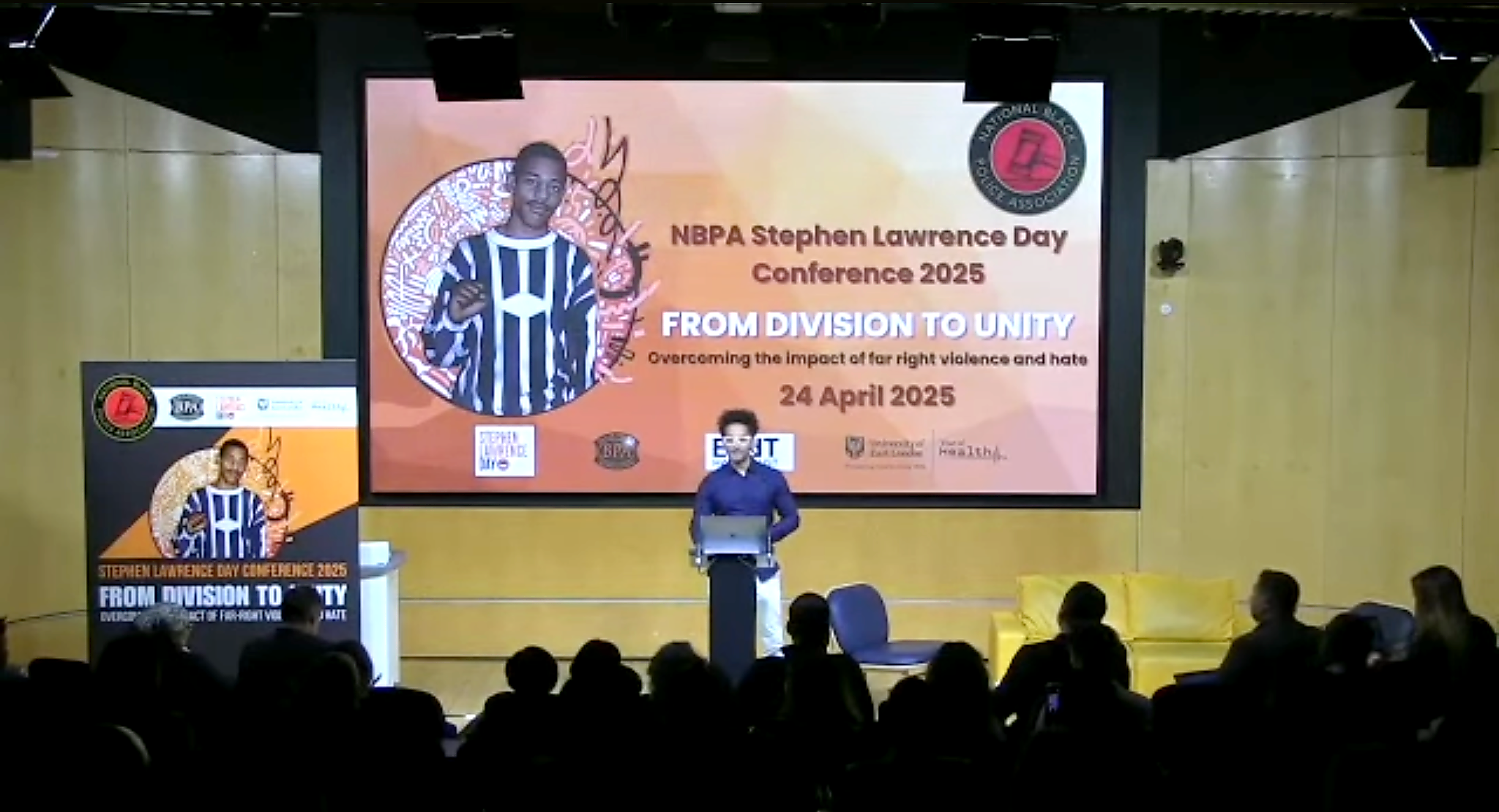
We use critical thinking and subject matter experts to look for what’s missing. A good example of this is our work on Stephen Lawrence Day
03

Subject Matter Experts
+
We have built a network of eminent experts from academic, commercial and medical fields. We often call upon them to help us deepen our thinking and elevate our solutions.
04

Focus Groups
+
We design and operate focus groups to collect valuable insights. This can help to understand the problem or design the solution
05

Trust Methodology
+
We are certified Trusted Advisors and use a specific methodology to understand when trust is being built and broken in your information journey.
From insight to action
An ASAP plan
We translate insight into a clear, structured roadmap.
A timeline of actions detailing who does what, by when, and how.
All interventions are designed specifically for your audience.
Audience-specific
Strategic
Actionable
Purpose-driven
Discover
We uncover insights about your audience, challenges and opportunities.
Diagnose
We identify gaps, barriers and priorities to focus on what matters most.
Design
We design tailored interventions and build a clear plan of action.
Deliver
We implement, monitor and refine to drive real engagement and impact.
ASAP: Audience-Specific. Strategic. Actionable. Purpose-Driven.
Turning insight into impact.
Practical interventions that drive engagement
Targeted Campaign Strategy
Designing messaging, channels and placement that resonate with specific audiences.
Content Creation
Filmed and digital content built to connect, not just inform.
Trusted Channels
Identifying who your audience listens to and where they go for information.
Internal Alignment
Equipping teams to communicate in ways that build trust.
Insight & Guidance
Identifying strengths, gaps and opportunities within your organisation.
Storytelling
Turning complex ideas into clear, human narratives that land.
Why Us
Why organisations choose us
We combine over 20 years of communication expertise with deep behavioural science insight.
Our team includes specialists in psychology, communication and audience behaviour.
We don't just improve what you say. We change how it lands.
Case Studies
Real-world application
Different challenges. One consistent theme: trust drives engagement.
Case 01
Stephen Lawrence Day
From echo chamber to real insight
Assess
Annual conference addressing racial injustice, bringing together leaders from policing and academia.
Spot the Gap
Risk of an echo chamber, with conversations limited to aligned perspectives.
Act Boldly
Introduced a reformed Far Right voice into the discussion to challenge assumptions.
Prove Impact
Deeper, more honest dialogue and first-hand insight into the drivers of division.
Key Insight
The same feelings of vulnerability, fear and disconnection existed across opposing groups.
Context
Stephen Lawrence was the victim of a racially motivated murder over 30 years ago.
Each year, the Stephen Lawrence Day conference brings together leaders from policing, academia and wider society to reflect, challenge thinking and drive meaningful change.
We partnered with the National Black Police Association to design and host the two most recent events.
The Challenge
The 2025 conference, From Division to Unity, aimed to build understanding and hope.
However, there was a clear risk.
An audience of experienced, well-intentioned professionals can unintentionally reinforce existing perspectives.
If the goal is to understand the root causes of hate, relying only on aligned voices limits insight.
Our Approach
We identified a critical gap.
Instead of discussing the issue from a distance, we brought in a perspective that is rarely heard in these environments.
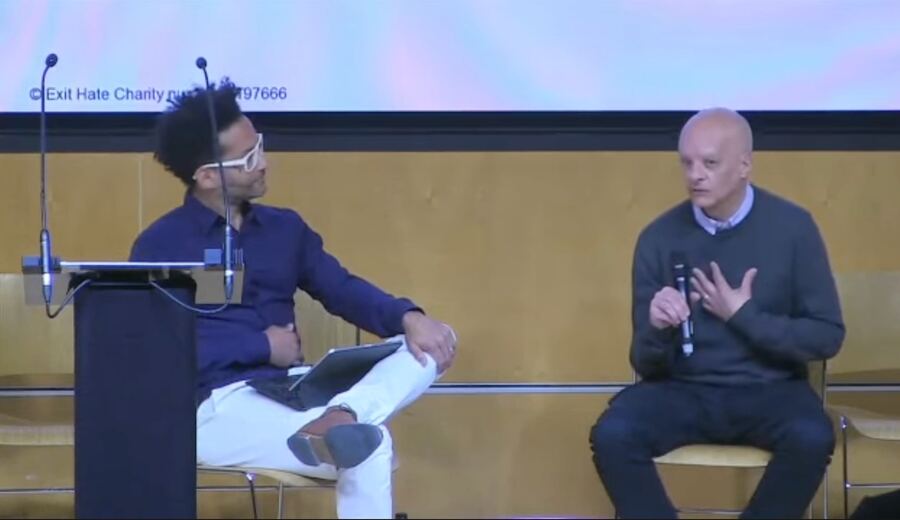
Working alongside an inclusion specialist, we invited a reformed Far Right activist to join the panel discussion.
This was a high-stakes decision.
We mitigated this through careful selection, screening and structured facilitation.
Outcomes
The addition fundamentally changed the quality of the conversation.
Senior leaders gained direct, first-hand understanding.
Conversations moved beyond assumption into reality.
Dialogue replaced rhetoric.
Why This Matters
When organisations only listen to familiar voices, they reinforce existing thinking.
When they introduce missing perspectives, they unlock insight that leads to better decisions and stronger engagement.
Case 02
Pharmaceutical Research Study
From low participation to trust-led engagement
Assess
National genomic study targeting 100,000 participants to reflect UK population diversity.
Spot the Gap
Critical underrepresentation from specific communities, putting data integrity and credibility at risk.
Activate Insight
Thematic analysis, focus groups, town halls and persona development to understand trust barriers.
Prove Progress
Clear, structured strategy to rebuild trust and improve participation across underrepresented groups.
Key Insight
This was not a recruitment problem. It was a trust problem.
Context
A national pharmaceutical research organisation launched a large-scale genomic study targeting 100,000 participants.
The objective was to collect data that accurately reflected the diversity of the UK population, supporting health equity and improving diversity in clinical research.
The Challenge
Participation from specific communities was significantly lower than required.
This created two risks: compromised data integrity and reputational risk.
This was not simply a recruitment issue. It was a breakdown in trust.
Our Mission
Understand why engagement was low and design a patient recruitment strategy to improve representation among underrepresented communities.
Our Approach
We conducted a thematic analysis of existing insight, revealing six key themes.
We then delivered focus groups, internal workshops, community town halls, keynote engagement and persona development to surface the real barriers to trust in healthcare communication.
Solutions Delivered
Staff engagement blueprints, training recommendations, targeted content strategy and detailed reporting.
Outcomes
A clear understanding of engagement barriers and a structured plan to improve participation, anchored in health equity communication.
Why This Matters
Underrepresentation is a trust problem, not just a recruitment problem.
Organisations that recognise this build stronger, more sustainable engagement with the communities they serve.
Case 03
Short Films: Storytelling & Behavioural Science
From sensitive messaging to meaningful connection
Assess
Organisations needed to communicate complex, sensitive topics without alienating or oversimplifying.
Shape the Narrative
Combined audience insight, behavioural science and storytelling to frame messages that resonate.
Activate Emotion & Trust
Created films grounded in real human experience, credible voices and tested behavioural triggers.
Prove Impact
Stronger audience trust, improved message retention and deeper engagement across diverse communities.
Key Insight
When storytelling reflects real human experience, audiences lean in rather than switch off.
Showreel: short films in action
Context
Organisations often need to communicate around complex, sensitive subjects such as social values, inclusion, trust or behavioural change without alienating audiences or oversimplifying deeply personal experiences.
The brief was to design and commission a series of short films that could engage diverse communities while maintaining authenticity, credibility and measurable audience resonance.
Our Approach
Working with a trusted filmmaker, we combined storytelling techniques with behavioural science principles to shape narratives that were emotionally compelling and strategically effective.
This included audience insight gathering, message framing, trust-building techniques and values-based narrative development.
Each film was grounded in relatable human experiences, credible voices and carefully tested behavioural triggers.
Outcomes
The films balanced sensitivity with impact, translating complex subject matter into accessible and engaging stories.
The campaign strengthened audience trust, improved message retention and supported organisational goals across awareness, engagement and reputation.
Impact
This approach demonstrated how storytelling underpinned by behavioural science can transform sensitive communication into a powerful tool for change.
The films expanded reach into harder-to-engage audiences, fostered meaningful dialogue and positioned the organisation as a trusted voice in values-driven communication.
Case 04
Community Communications Plan
From low engagement to targeted community connection
Assess
Large public sector organisation struggling to engage ethnic minority communities.
Surface the Gap
Messaging was not reaching the right audiences due to poor channel selection and low relevance.
Align with Reality
Engaged internal stakeholders and community members to understand trusted channels and behaviours.
Prove Impact
Delivered a multichannel communication plan tailored to different community preferences and behaviours.
Key Insight
There is no single "community voice". Different groups trust different channels and styles of communication.
Context
We were engaged by a large, highly regulated public sector organisation with over 4000 employees.
They were experiencing low engagement from ethnic minority groups with their public-facing activities, undermining their ability to build trust and tailor services effectively.
The Challenge
Initial findings showed that messaging was not reaching the intended audiences. This was driven by a lack of awareness of the right communication channels, and messaging that lacked relevance and failed to gain traction.
Our Approach
We conducted informal conversations with internal stakeholders across different levels of seniority and roles.
We then brought together a focus group of community members to understand trusted sources of information, communication preferences and influencers within those communities.
Outcomes
We developed a multichannel community communication and engagement plan tailored to different audience segments.
The approach recognised that communities are not homogeneous. Different groups engage with different channels, communication styles and levels of formality.
Impact
The organisation gained a clearer understanding of how to engage diverse communities more effectively.
This enabled more targeted communication, improved relevance and a stronger foundation for building trust over time.
Explore further
Where this work shows up



FAQs
Questions about audience engagement, answered
What is human connection and performance in a business context?
+
It is the practice of using behavioural science, psychology and communication strategy to build genuine trust between an organisation and its audiences, so that messaging lands, behaviour shifts and performance improves. It addresses why specific communities disengage and how to re-engage them in an ethical, evidence-led way.
How does this differ from a traditional marketing or communications agency?
+
Most agencies focus on what to say and where to place it. We focus on how it is received. We combine behavioural insight, trust methodology and audience research to identify why engagement is failing, then design interventions that address the root cause, not just the symptom.
Which sectors do you work with?
+
We work with pharmaceutical, healthcare, research and commercial organisations, including global brands, clinical research programmes and public-interest initiatives. Our work is particularly suited to organisations engaging underrepresented or historically disengaged audiences.
What is the Trusted Advisor methodology?
+
Trusted Advisor is a recognised framework for understanding how trust is built, maintained and broken across an information journey. Our team is certified in this methodology and uses it to map where audiences disengage, so we can rebuild credibility at the right points.
Can you help us improve participation in clinical trials and research?
+
Yes. Underrepresentation in research is rarely a recruitment issue, it is a trust issue. We help research organisations identify cultural barriers, redesign messaging, choose trusted channels and engage communities in ways that improve participation and produce more representative data.
What does a typical engagement look like?
+
We begin with thematic analysis of your existing data, reports and interviews, identify the gaps, bring in subject matter experts where needed, and run focus groups to validate insight. From there, we design targeted interventions: campaign strategy, content, internal alignment and trusted channel activation.
How do we get started?
+
The first step is a conversation. We will help you scope the challenge, identify the audiences in question and recommend a route forward. Use the Start the Conversation button on this page to get in touch.